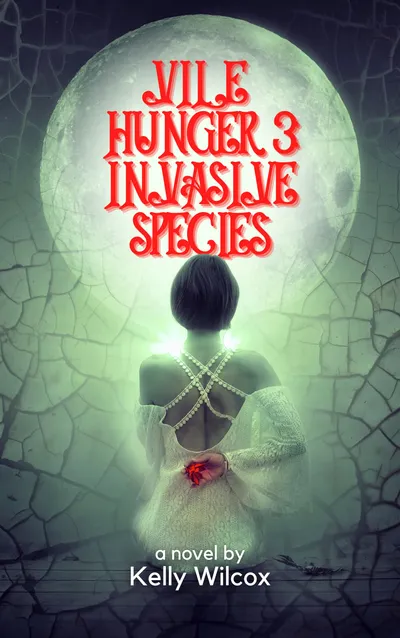
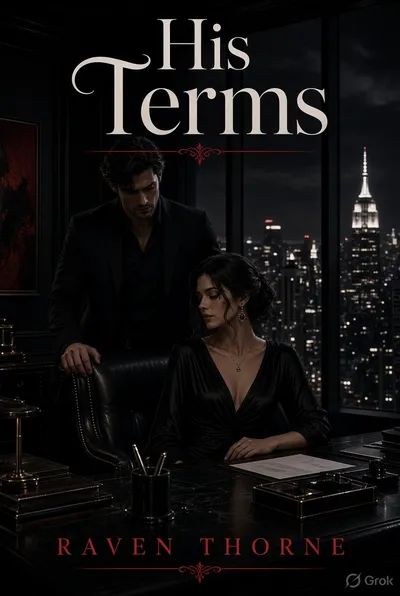
Gothic Romance — Dark Atmospheres and Dangerous Love
Gothic romance is romance fiction built on atmosphere — dark settings, brooding characters, psychological tension, crumbling estates, buried secrets, and love stories that develop under threat. Around 5,100 people search "gothic romance" monthly. The genre is one of the oldest romance traditions, predating modern romance publishing by over two centuries, and it continues producing commercially because the specific combination of dread and desire it offers isn't available in any other subgenre.
What separates gothic romance from general dark romance is the atmospheric emphasis. Dark romance is defined by moral complexity and taboo content. Gothic romance is defined by setting, mood, and specific dread — the creak of an old house, the husband who might be dangerous, the mystery that the heroine is compelled to unravel even as it threatens her. The darkness is environmental and psychological rather than primarily sexual or moral.
What Gothic Romance Actually Contains
Gothic romance has specific conventions developed across 250+ years of literary tradition:
The house or estate. Gothic romance almost always features a specific building — manor house, castle, abbey, isolated estate — that functions as character. The building has secrets, rooms that shouldn't be entered, architectural features that mirror psychological states. The setting isn't backdrop; it's antagonist and symbol simultaneously.
The brooding male lead. Mysterious, potentially dangerous, harboring secrets. The Byronic hero tradition — attractive but dark, compelling but possibly threatening. The heroine is drawn to him despite (or because of) the danger he represents.
The mystery or secret. Something is wrong. A first wife's death, a locked wing, strange noises, missing servants, unexplained behavior. The heroine investigates, and the investigation intertwines with the romance.
Atmospheric dread. The mood is the genre's defining feature. Rain, fog, isolation, candlelight, creaking wood, whispered conversations, the sense that something is not right. Gothic romance sustains this atmosphere throughout.
The heroine under threat. The female lead is in genuine danger — from the setting, from other characters, possibly from the love interest himself. Her intelligence and courage in navigating this danger is central to the narrative.
Isolation. Characters cut off from help — by geography, weather, social position, or deliberate manipulation. The isolation forces confrontation with both the mystery and the romantic attraction.
Psychological complexity. Gothic romance engages with interior states — fear, desire, suspicion, obsession, grief. The psychological dimension is as important as the external plot.
Ambiguity about the love interest. Is he dangerous? Does he truly love her? Is he the source of the mystery or another victim of it? The uncertainty about the romantic partner is genre-defining tension.
The Historical Lineage
Understanding gothic romance's history helps understand its current conventions:
The original gothic novels (1760s-1820s). Ann Radcliffe, Matthew Lewis, the Brontës. These established the core conventions — the castle, the mystery, the atmosphere, the heroine in peril. The Mysteries of Udolpho, Jane Eyre, Wuthering Heights are foundational texts the genre still references.
Gothic revival (1930s-1970s). Daphne du Maurier's Rebecca reinvigorated the genre for modern readers. The paperback gothic explosion of the 1960s-70s — specific cover conventions (woman in nightgown fleeing dark house), specific publisher lines, enormous commercial success.
Victoria Holt era. Victoria Holt, Phyllis Whitney, Mary Stewart, and similar authors produced the commercial gothic romance that defined the mid-20th century genre. Hundreds of titles with consistent conventions.
Decline and absorption (1980s-2000s). Gothic elements were absorbed into romantic suspense, paranormal romance, and general dark fiction. The "gothic romance" label became less commercially prominent.
Contemporary revival (2010s-present). BookTok and indie publishing have revived dedicated gothic romance. New authors working the classic conventions with contemporary sensibilities — including higher heat levels than the traditional genre permitted.
Gothic Romance vs. Adjacent Genres
Gothic romance sits at an intersection of several related categories:
Gothic romance vs. dark romance. Gothic emphasizes atmosphere, setting, and psychological dread. Dark romance emphasizes moral complexity, taboo content, and often explicit power dynamics. A book can be both, but the emphasis differs.
Gothic romance vs. romantic suspense. Romantic suspense focuses on external thriller elements — investigations, physical danger, action sequences. Gothic romance focuses on internal psychological elements — dread, ambiguity, atmospheric tension. Romantic suspense is plot-driven; gothic romance is mood-driven.
Gothic romance vs. paranormal romance. Gothic romance can include supernatural elements (ghosts, curses) but doesn't require them. Paranormal romance centers supernatural beings as love interests. Gothic that includes ghosts overlaps; gothic without supernatural elements doesn't.
Gothic romance vs. romantasy. Romantasy builds full secondary worlds. Gothic romance typically uses real-world historical or contemporary settings with atmospheric intensity. Overlap exists in darker fantasy settings.
Gothic romance vs. horror romance. Gothic rarely goes full horror — the dread is sustained but typically resolves. Horror romance may not resolve safely.
The Contemporary Gothic
Today's gothic romance maintains traditional conventions while adapting:
Contemporary settings. Gothic romance doesn't require historical settings. Contemporary gothic uses modern isolated houses, remote towns, institutional settings, academic environments. Dark academia romance shares DNA.
Higher heat levels. Traditional gothic romance was often sweet to mildly steamy. Contemporary gothic romance includes the full heat spectrum, with many readers specifically wanting spicy gothic. Spicy romance books readers find gothic options.
Diverse characters. Contemporary gothic features broader character diversity than the traditionally white, British/European genre.
Psychological depth. Modern gothic often engages more explicitly with mental health, trauma, and specific psychological conditions. The "is she crazy or is something really happening" question — always present in gothic — gets more nuanced treatment.
Self-aware heroines. Contemporary gothic heroines are often conscious of gothic conventions. They know the tropes. Their intelligence in navigating the situation is foregrounded rather than their vulnerability.
Mystery resolution. Contemporary readers typically expect the mystery to resolve, the threat to be identified, the heroine to survive and triumph. Ambiguous endings work for literary gothic; commercial gothic romance usually delivers resolution and HEA (happily ever after) or HFN (happy for now).
The Craft of Gothic Romance
Writing gothic well requires specific skills:
Atmospheric prose. The writing itself must create the mood. Sentence rhythm, word choice, sensory detail, pacing — all contribute to the specific gothic atmosphere. Prose that tells you the setting is spooky without making you feel it fails the genre.
Setting as character. The house, the estate, the location must have personality, history, and specific features that the narrative engages with throughout. Generic "old house" settings produce generic gothic.
Sustained tension. Gothic romance maintains low-level dread across the entire narrative. This requires craft — the dread can't be monotonous (same note throughout) or intermittent (scary chapter, boring chapter). It modulates but never fully releases until the resolution.
The mystery balance. The mystery must be complex enough to sustain the novel but not so complex it overwhelms the romance. The heroine's investigation and the romantic development should intertwine — scenes that advance one should advance the other.
Ambiguity management. How much ambiguity about the love interest, and for how long? Too little and there's no gothic tension. Too much and the reader can't invest in the romance. The calibration is the genre's central craft challenge.
Sensory writing. Sound, smell, temperature, texture, light quality — gothic romance is deeply sensory. The reader should feel the cold of the stone hallway, hear the wind against the windows, smell the dust in the locked room.
Where Gothic Romance Lives
Amazon KDP carries gothic romance across romance, mystery, and historical fiction categories. Categorization is inconsistent — books appear under multiple labels.
Kindle Unlimited has growing gothic romance readership.
Kobo, Apple Books, Barnes & Noble all carry gothic romance.
Traditional publishing has renewed interest in gothic romance. Major publishers acquiring gothic titles with increasing frequency.
BookTok has active gothic romance communities. The aesthetic elements translate well to visual social media.
Indie presses specializing in gothic and dark romance publish the genre actively.
Literary publishers sometimes carry literary gothic that overlaps with the romance category.
On Maliven, dark-toned fiction with gothic elements appears across the catalog. Dark romance books covers the broader dark category.
Related reading
- Dark romance books — adjacent dark category
- Paranormal romance books — supernatural overlap
- Romantasy books — fantasy overlap territory
- Enemies to lovers romance — tension-based trope overlap
- Second chance romance — reunion gothic variant
- Romance subgenres explained — full genre map
Read on Maliven
Every book has a free sample, and free titles need no account. Tap a cover to start reading.