Monster Romance Books — The Non-Human Love Interest Genre
Monster romance is fiction featuring romantic and sexual relationships between human characters and non-human love interests — creatures, beings, and entities that don't fit traditional paranormal categories like vampires or werewolves. Around 1,000 combined monthly searches across "monster romance books" and "monster erotica." The genre has grown from niche internet curiosity into commercially significant subgenre, driven partly by BookTok visibility, partly by indie publishing freedom, and partly by readers who'd been consuming this content on fanfiction platforms for years before it had a commercial label.
What distinguishes monster romance from paranormal romance is the love interest's degree of non-humanness. Paranormal romance features beings that are essentially human with supernatural additions — vampires who look human, werewolves who spend most of their time in human form. Monster romance features beings that are fundamentally non-human — different anatomy, different communication, different bodies. The fantasy isn't "dating someone supernatural." The fantasy is "finding connection with something genuinely other."
What Monster Romance Contains
The genre covers enormous range of non-human love interests:
Orcs and ogres. Large, physically powerful, often depicted with tusks and green skin. One of the fastest-growing specific monster romance subcategories. Fantasy species erotica covers some of this territory.
Dragons. Both dragon-shifters (who spend time in human form) and true dragons (who remain dragon throughout). The latter pushes further into pure monster romance territory.
Demons. Demons with non-human features — horns, tails, wings, unusual anatomy. Overlap with paranormal romance when demons are human-passing; pure monster romance when they're not.
Tentacle beings. Creatures with tentacle anatomy. Strong roots in Japanese media traditions. Tentacle erotica covers the explicit end.
Minotaurs, centaurs, and hybrid beings. Part-human, part-animal mythological creatures. Specific anatomy that creates specific intimate scenarios.
Aliens. Non-humanoid alien beings from science fiction contexts. Overlap with alien romance. Monster romance when the alien is physically non-human.
Cryptids. Bigfoot/sasquatch, wendigo, mothman, kraken, and other cryptid romance. The absurdity is often part of the appeal.
Golems and constructs. Magical creations, animated beings, specific constructed entities.
Eldritch and cosmic beings. Lovecraftian-adjacent entities. Growing subgenre that plays with horror conventions within romance framing.
Plant beings and nature spirits. Dryads, plant monsters, fungal beings. Niche but present.
Undead beyond vampires. Liches, revenants, specific undead beings that don't fit vampire conventions.
Why Monster Romance Works
Several factors explain the genre's appeal and growth:
The otherness is the point. Monster romance offers something no other romance subgenre can — genuine encounter with the truly unfamiliar. The love interest doesn't just have supernatural powers; they have a fundamentally different body, different perception, different way of existing.
Fantasy anatomy. Non-human anatomy creates specific sexual possibilities that human bodies can't provide. The genre's freedom from anatomical realism is part of its erotic appeal. Writers invent specific physical features that serve both the romance and the explicit content.
Communication as plot. When the love interest may not speak human language, communication itself becomes romantic content. Learning to understand each other across species boundaries creates specific intimacy.
The acceptance theme. Loving someone genuinely different — accepting them as they are rather than despite what they are — resonates with readers who value acceptance and connection across difference.
Subversion of beauty standards. Monster romance explicitly values love interests who aren't conventionally attractive by human standards. Tusked orcs, tentacled beings, scaled creatures. The genre pushes back against romance's traditional emphasis on physical attractiveness.
Humor and joy. Much monster romance has a playful, joyful tone that some darker romance subgenres don't access. The inherent absurdity of romancing a minotaur creates space for humor alongside genuine emotional connection.
Creative freedom. Writers working in monster romance have essentially unlimited creative freedom in designing love interests. No established canon constrains what a specific creature looks like or how it behaves.
The Craft Demands
Quality monster romance has specific craft challenges:
Making the monster a character. The non-human love interest needs genuine personality, specific desires, individual characterization. A monster who exists only as exotic body fails the romance. Readers need to fall for the character, not just the novelty.
Physical-intimacy creativity. Non-human anatomy requires creative approaches to intimate scenes. Writers need to think through the physical logistics of their specific creature's body and how intimacy actually works with that anatomy.
Communication solutions. If the monster doesn't speak, how do the characters communicate? Telepathy, body language, learned language, magical translation — each solution creates different dynamics. The communication method shapes the entire relationship.
Balancing funny and sincere. Monster romance can be humorous without being a joke. The challenge is honoring the genuine romance while acknowledging the inherent absurdity. Fiction that takes itself too seriously loses the genre's specific charm; fiction that's pure comedy loses the emotional investment.
World-building for the monster's existence. Where does this creature come from? How does it live? What does its world look like? Even in shorter fiction, some context for the monster's existence produces more grounded work.
The consent question. Can a non-human being meaningfully consent to a relationship with a human? Better fiction addresses this — through the creature's demonstrated intelligence, through established communication, through specific narrative choices that show the monster's agency.
Where Monster Romance Lives
Amazon KDP carries substantial monster romance catalog. The genre has grown enough that Amazon has specific browsing paths for it. Content policy navigation varies — more extreme monster erotica sometimes needs careful positioning.
Kindle Unlimited has strong monster romance readership. The genre's readers are often voracious consumers who use KU heavily. Kindle Unlimited erotica covers the platform.
Archive Of Our Own has extensive monster romance in both fandom and original fiction. The platform's tagging system handles specific creature types well. AO3 erotica covers the platform.
BookTok has driven significant monster romance growth. Specific books and creature types have gone viral, bringing new readers to the genre.
Indie presses specializing in monster and paranormal romance publish extensively.
Kobo, Apple Books carry growing monster romance catalogs.
On Maliven, fantasy fiction with non-human elements appears across the catalog. Haremlit often features non-human characters in harem configurations. Transformation erotica covers adjacent transformation-focused content.
The Erotica Dimension
Monster erotica — the more explicit end — has its own specific conventions:
Anatomy-focused writing. Detailed description of non-human anatomy and how it functions during intimacy. Central to the genre's explicit appeal.
Size and scale. Many monster love interests are substantially larger than human characters. The size differential is specific erotic content.
Unusual physical features. Tentacles, ridges, knots, multiple appendages, specific textures. The features are designed to enhance the erotic content.
Breeding and mating. Monster erotica frequently incorporates breeding themes, mate bonds, and specific mating behaviors unique to the creature type. Breeding stories if covered, impregnation stories.
Dubcon through creature dynamics. Some monster erotica includes dubious consent through mating instincts, pheromones, or biological imperatives. Dubcon and noncon fiction covers the consent spectrum.
The explicit end of monster romance is where the genre first developed commercially before the more mainstream monster romance category grew around it.
The Commercial Position
Monster romance has specific commercial characteristics:
Fast-growing. One of the fastest-growing specific romance subcategories in recent years.
Strong indie presence. The genre is primarily indie-published, with traditional publishing beginning to acquire selectively.
Series and standalones both work. Monster romance supports both — series featuring different creatures from the same world and standalone romances.
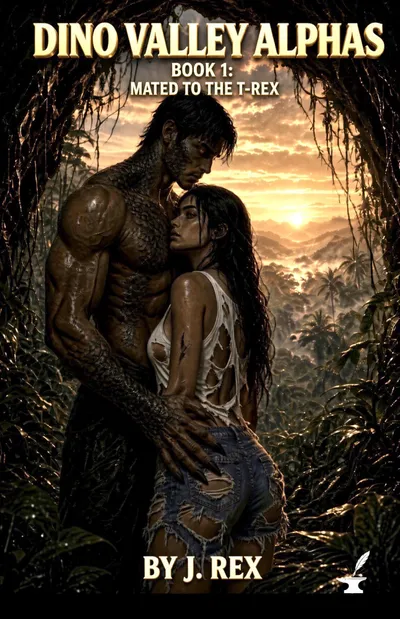
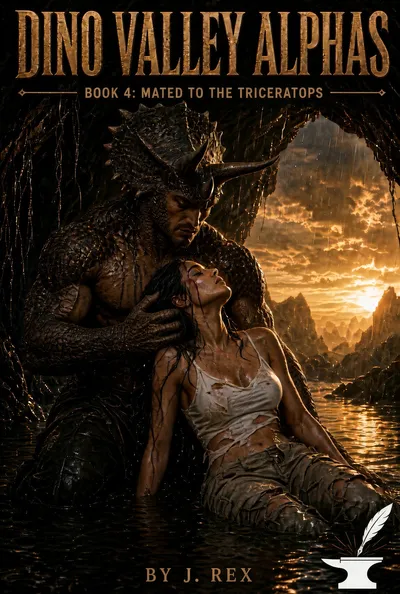
Cover design matters. Monster romance covers have developed specific conventions — illustrated creatures, specific color palettes, creature silhouettes. Cover design signals genre clearly.
Cross-subgenre integration. Monster love interests appear in reverse harem, dark romance, romantasy, and other categories.
Community enthusiasm. Monster romance readers are among the most enthusiastic and engaged reader communities. Social media discussion, fan art, specific community culture.
For authors, how to make money writing erotica covers commercial fundamentals. Erotica pen name strategy covers identity considerations for authors working the genre.
Related reading
- Paranormal romance books — parent supernatural category
- Romantasy books — fantasy world overlap
- Shifter romance books — shapeshifter-specific subgenre
- Gothic romance — atmospheric dark overlap
- Dark romance books — dark monster variants
- Reverse harem books — multi-monster partner subset
- Romance subgenres explained — full genre map
Read on Maliven
Every book has a free sample, and free titles need no account. Tap a cover to start reading.